Each fragment stands on its own, but together they form a wider picture. A loose archive of ideas, scenes, places, and shifts in taste.

The Fragments

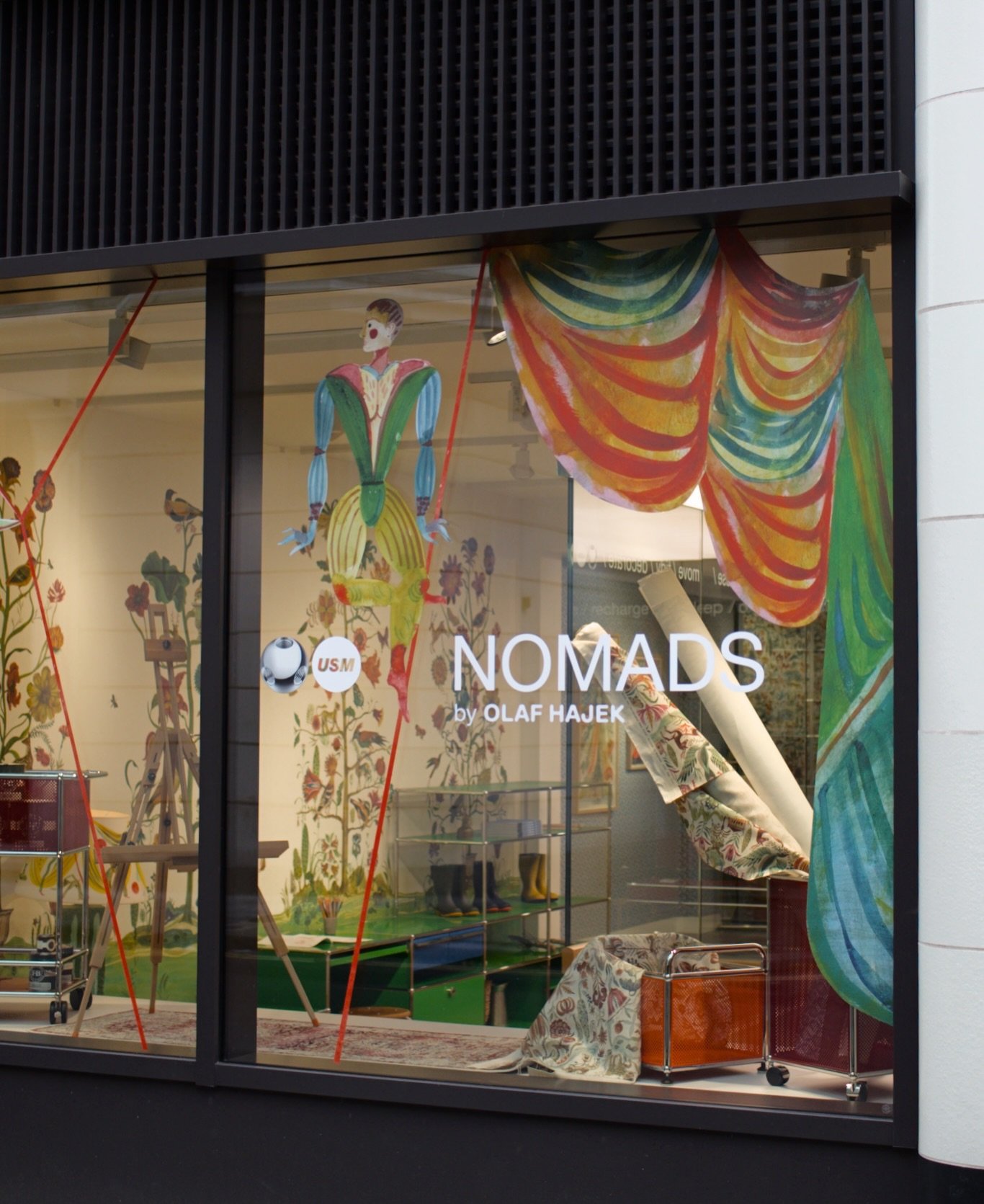
  • The Design fragment is dedicated to exploring the physical world of creativity, spanning architecture, product design, and emerging technologies.

    At its heart, it is not only about finished objects but also the ideas, philosophies, and cultural forces that shape them. By asking “why” as well as “how,” the fragment shows how design influences the ways we live, work, and connect.

    It also celebrates history’s most influential designers and highlights contemporary innovations, giving readers a lens through which to see how form and function continue to evolve across time.

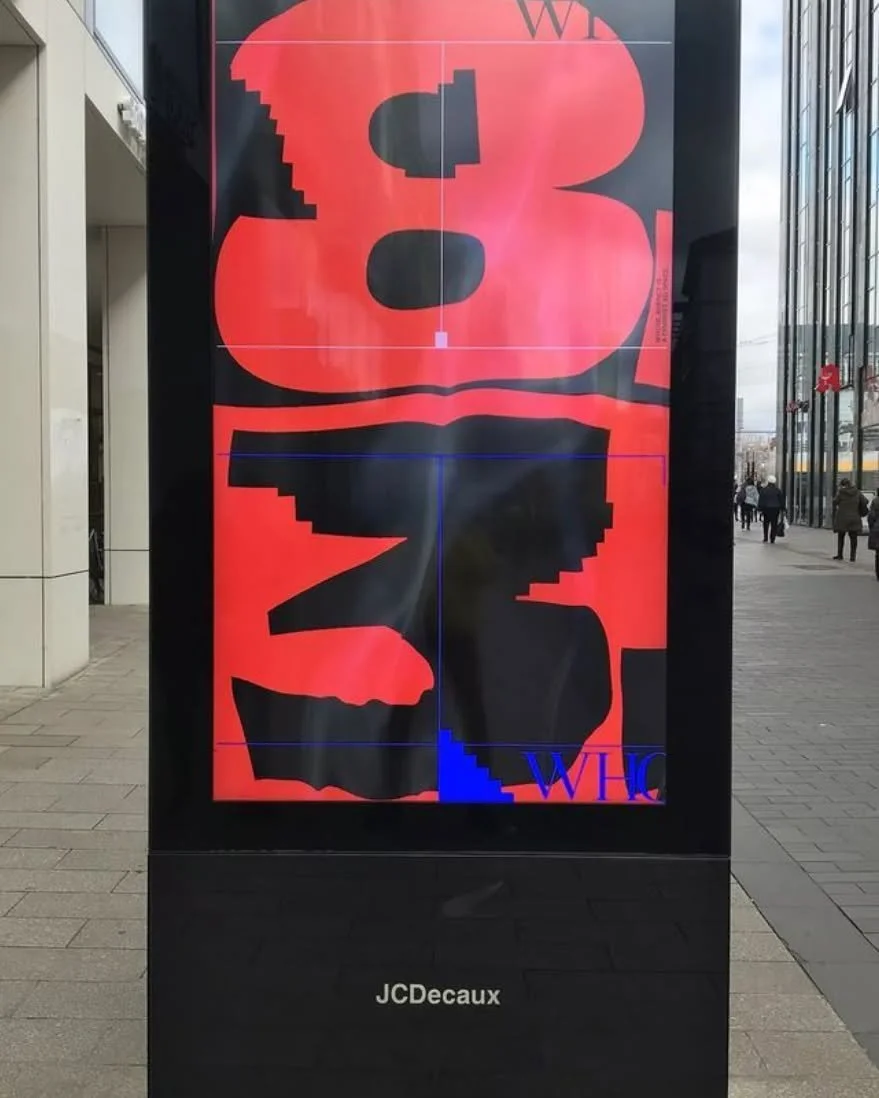
  • The Art fragment is a space to explore the visual languages that shape culture, from painting and sculpture to photography, performance, and digital media. It is not only concerned with what hangs in galleries but also with the ideas and contexts.

    By looking at both the celebrated and the overlooked, the fragment asks what art tells us about society and how it shifts the way we see the world.

    It highlights masters of the past alongside contemporary voices, creating a dialogue across time that shows art’s ability to challenge, comfort, and transform.

  • The Culture fragment examines the patterns, rituals, and shared ideas that shape how we live together. It explores everything from film, literature, and food to traditions, asking how culture both reflects and reshapes society.

    At its core, this fragment is about noticing the everyday details that carry larger meanings, those moments where identity, history, and creativity intersect.

    By drawing on both the familiar and the unexpected, it highlights culture’s ability to connect people, spark change, and frame the stories we tell about ourselves and the world around us.

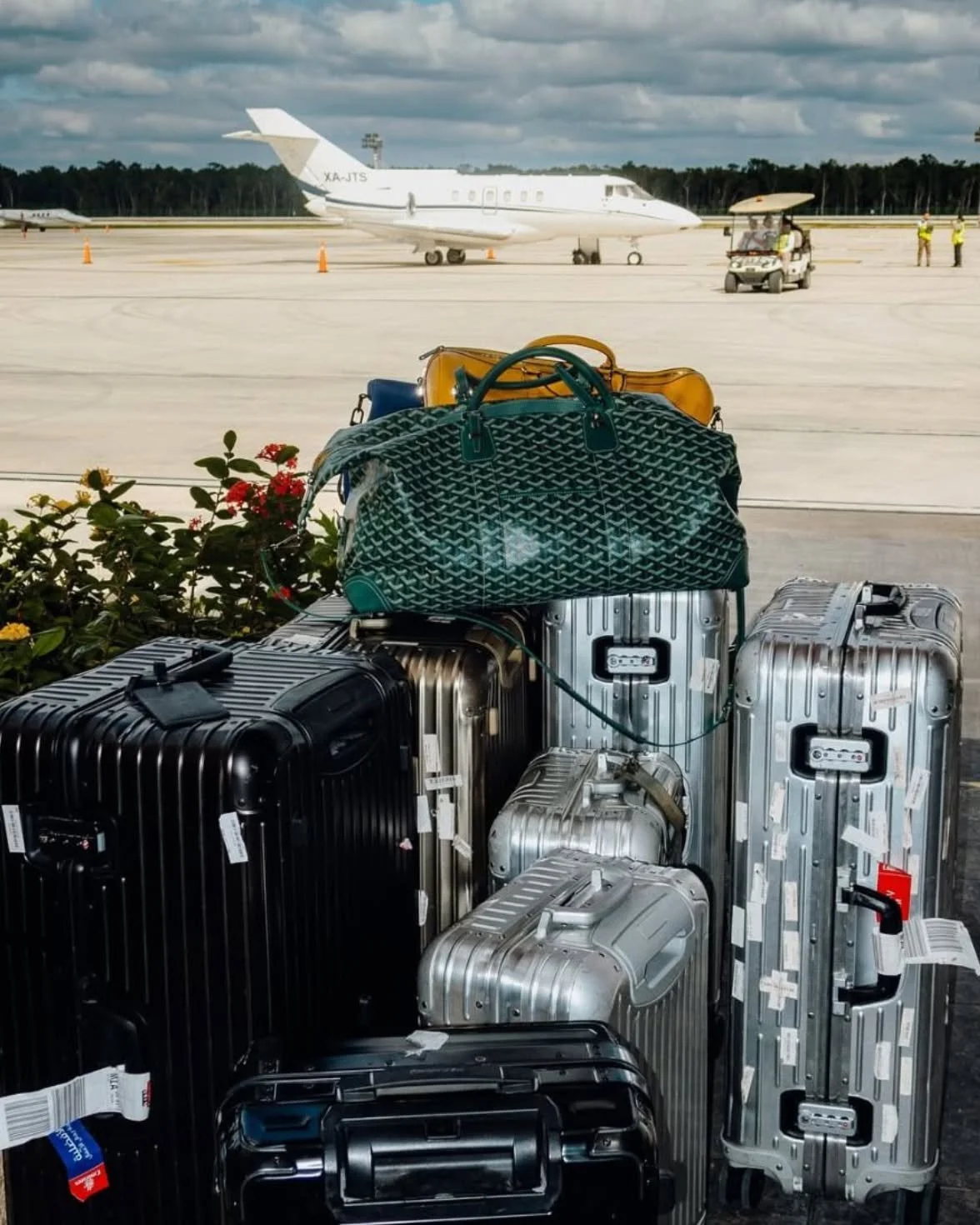
  • The Lifestyle fragment explores the choices, habits, and rhythms that shape daily life, from how we dress, eat, and travel to the ways we balance work, leisure, and wellbeing.

    It is not about following trends for the sake of it but about understanding the values and motivations behind how people live. This fragment highlights the small rituals that give life meaning as well as the broader shifts in health, sustainability, and identity that influence them.

    By blending the personal with the cultural, it offers insight into how lifestyle both expresses who we are and connects us.

  • The Music fragment explores sound in all its forms, from timeless compositions and classic recordings to emerging genres, underground scenes, and digital experimentation.

    It is less about charts and trends than about the stories, emotions, and innovations that give music its power. This fragment highlights how music shapes identity, builds communities, and captures cultural moments, while celebrating both influential figures of the past and boundary-pushing voices of today. By listening closely, it asks what music reveals about us and how rhythm, melody, and noise continue to transform the way we feel and connect.

  • The History fragment looks at the stories, events, and figures that continue to shape the present. It is not only about battles, dates, or monuments but also about the quieter shifts in ideas, inventions, and daily life that leave lasting marks on society.

    By exploring both celebrated milestones and overlooked narratives, the fragment asks how the past is remembered, retold, and reinterpreted. It highlights connections across time, showing how echoes of history influence culture, politics, and identity today. In doing so, it invites readers to see history not as static record but as an ongoing conversation between past and present.

  • The Fashion fragment explores the language of style, from timeless garments and iconic designers to streetwear, subcultures, and the future of sustainable clothing.

    It is not only about what we wear, but why we wear it, the stories, identities, and cultural forces woven into fabric and form. By tracing fashion’s shifting role across eras, this fragment shows how clothing reflects status, belonging, and creativity.

  • The Style fragment explores the aesthetics that shape how we present ourselves and our surroundings, from personal taste and visual identity to design, fashion, and cultural expression.

    It is not just about surface appearance but about the choices, influences, and meanings that sit behind style.

    This fragment asks how aesthetics communicate who we are, how they shift across time, and why they carry such cultural weight.

  • The Interview fragment is where voices take centre stage. Through conversations with designers, artists, musicians, writers, and cultural figures, it uncovers the personal stories, ideas, and inspirations that shape creative work.

    It is not about rehearsed scripts but about honest exchanges that reveal process, perspective, and personality. Each interview adds a human dimension to the fragments, linking big cultural themes with lived experience.

  • The News fragment is not a traditional news outlet. It takes

    no stance,

    no standpoint,

    and offers no spin.

    Instead, it shines a light on the smaller updates that might otherwise pass unnoticed, moments in our lives, our communities, and our creative worlds that deserve recognition.